
Peat
What is peat and why is it so important?

Peatlands are vital ecosystems that store carbon, support diverse wildlife, and provide essential services; yet, they face significant threats. They help prevent flooding by slowing the flow of water from hillsides and providing storage in low-lying areas. Healthy peatlands function like giant sponges, absorbing large amounts of water and releasing it slowly, which reduces the risk of downstream flooding during heavy rainfall events.
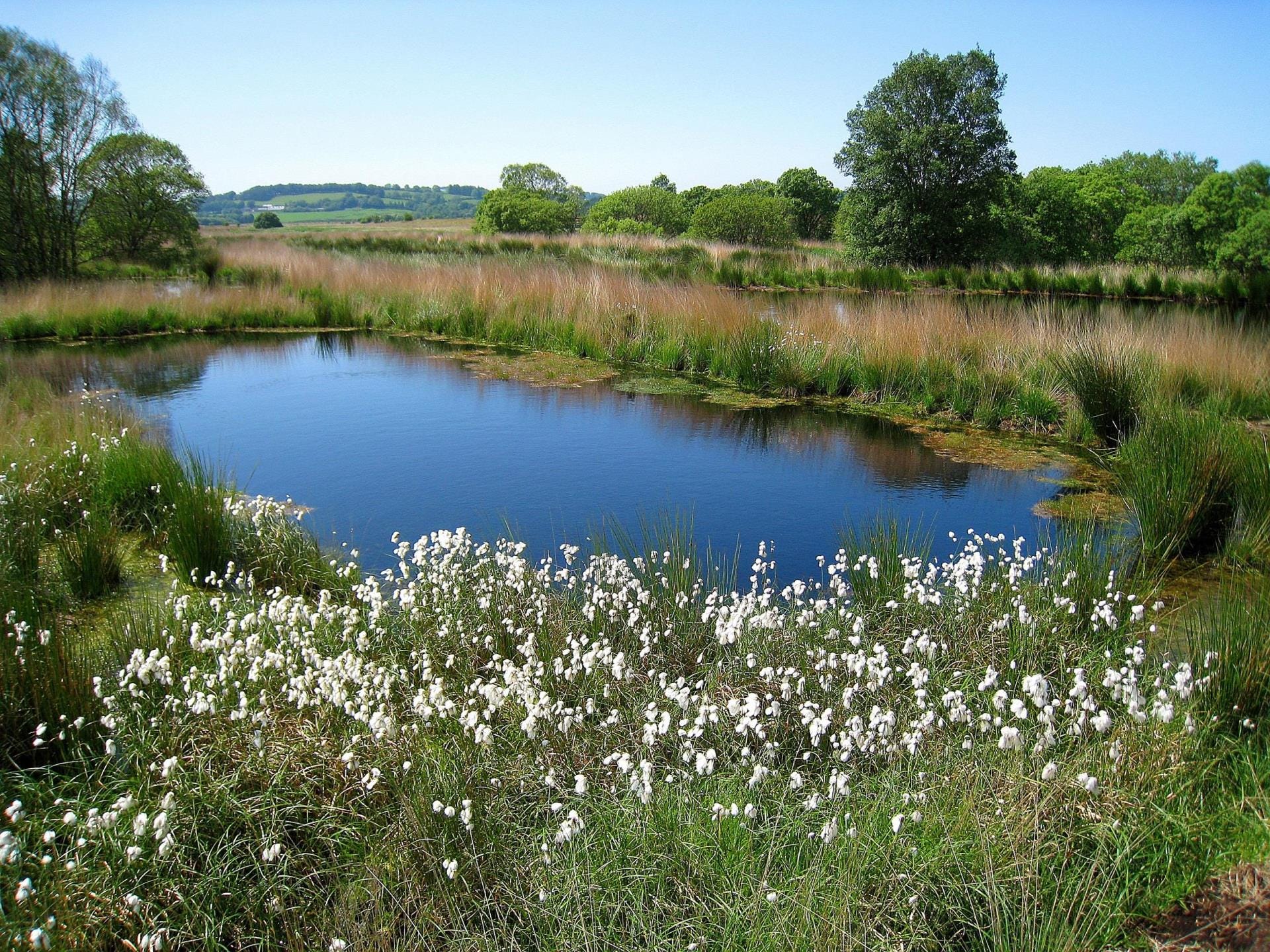
Peatland Characteristics
Peatlands are waterlogged organic soils.
They include various types, such as blanket bogs, which are typically found in upland areas. Raised bogs, primarily occurring in lowland regions, and fens, which are a type of wetland characterised by peat-forming habitats, primarily fed by mineral-rich groundwater or surface water.
Sphagnum moss thrives in these environments and can hold up to 20 times its own weight in water.
This water retention is crucial for peat formation, as it prevents the total decomposition of dead plant matter, resulting in the accumulation of peat over time.
Global Importance
Peatlands store over twice the carbon found in all forests.
Peatlands cover 3% of the world's surface but contain nearly 30% of the soil carbon.
Peatlands store significantly more carbon than the Amazon rainforest.
The UK has approximately 2 million hectares of peatland, which stores over 3 billion tonnes of carbon.
Threats to Peatlands
25% of global peatlands have been destroyed, and 80% of UK peatlands are damaged.
Damage is caused by drainage for agriculture, pollution, peat extraction, and overgrazing.
Bare peat can result in sediment being washed into water courses, affecting the quality of our water supply and releasing carbon into the atmosphere as carbon dioxide.
Damaged peatlands release 10 million tonnes of CO2 annually.
Cors Caron, near Tregaron, is a raised bog; an ancient site that has formed over more than 12,000 years. There are peat depths of between 8 and 10 metres, with each metre of peat taking around 1,000 years to develop. Peat forms from plants that have only partially decomposed, creating layer upon layer, which produces the raised bog dome visible at Cors Caron. Despite covering only 3% of the Earth's surface, peatlands store twice as much carbon as all the world's forests combined.
In this video, Iestyn Evans, Reserve Manager at Cors Caron, explains how peatlands serve as essential habitats for rare plants and wildlife, and how their management is crucial in the face of changing weather patterns.
Another peat restoration project straddling Powys & Ceredigion is the IUCN Peatlands Programme's Pumlumon Project, which began in 2007.
The organisation/lead partner for this project is the Montgomeryshire Wildlife Trust. The Project link to their website is currently broken. (Reported)
However, an article about this project can be found here
The Pumlumon project has been running for 18 years, which raises questions about the potential impact that the proposed Lluest Y Gwynt wind farm might have on this initiative.